Can Pressure Cleaning Damage Concrete? What to Know First
@danteovbc802
Pressure cleaning is one of the most effective ways to bring tired concrete driveways, patios, pool surrounds and footpaths back to life. In Rockhampton's warm, humid, subtropical climate, concrete is constantly exposed to mould, algae, mildew, red dust and tropical downpours, so regular cleaning is a necessity for most homes. But the question many property owners ask before they hire someone or hire a machine is a fair one: can pressure cleaning damage concrete?
The short answer is yes, it can, but only when it is done incorrectly. Used properly, pressure cleaning is safe for sound concrete and can extend its life by removing the organic growth that holds moisture against the surface. Here is what you need to know before you start.
How Pressure Cleaning Can Damage Concrete
Concrete looks tough, but its surface is more vulnerable than most people realise. The top layer, often called the "cream" or paste layer, is a thin film of cement and fine sand that gives the slab its smooth finish. Aggressive cleaning can strip this layer away and expose the coarser aggregate underneath.
Surface Etching and Streaking
Holding the nozzle too close, using a pencil-jet (zero-degree) tip, or using excessive pressure can leave visible lines, stripes or swirl marks. These "zebra stripes" are often permanent or very difficult to correct, and they are one of the most common complaints following DIY pressure washing jobs.
Exposed Aggregate and Surface Pitting
Concrete that has been stripped too aggressively becomes rough and pitted. A roughened surface holds dirt, spores and moisture more easily, which means it will often get dirty again faster than before. In a humid environment like Central Queensland, this can lead to rapid regrowth of algae and mould.
Damaged Joints and Sealants
High-pressure water can blast out the sand or flexible filler in expansion and control joints. Once these are compromised, water can seep beneath the slab, leading to erosion of the base, weed growth and eventual cracking or settling.
Water Forced Into Cracks
Existing cracks and weak spots can be made worse when pressurised water is driven into them. Over time, this can lift or break away small sections of concrete, particularly on older slabs.
Damage to Decorative Finishes
Stamped, coloured, exposed aggregate and sealed concrete need extra care. Too much pressure can strip sealers, fade coloured finishes, or dislodge the stones in exposed aggregate surfaces.
Which Concrete Is Most at Risk?
Not all concrete responds the same way. Pay particular attention if your surface falls into any of these categories:
- Older concrete: Slabs that are 20 or more years old often have a worn surface layer and may be more porous.
- Thin or poorly mixed slabs: Lower-quality concrete is more likely to crumble or flake.
- Newly laid concrete: Concrete generally needs around 28 days to cure properly, and many professionals recommend waiting longer before any high-pressure cleaning.
- Decorative or coloured concrete: Stamped patterns and integral colours can be damaged or faded.
- Cracked or spalling concrete: Surfaces already flaking or breaking apart can deteriorate quickly under pressure.
- Sealed surfaces: Sealers can be stripped unintentionally, leaving the concrete unprotected.
Pressure Settings and Techniques That Protect Concrete
The right technique matters as much as the equipment. Professionals adjust their approach depending on the condition and type of the surface. Here are some general principles:
Use the Right Pressure Level
Plain, sound concrete can usually handle moderate to high pressure, often in the range of 2,000 to 3,000 PSI, but that is not always necessary. Many jobs are best done at lower pressure combined with the right cleaning solution. More pressure is not automatically better.
Choose the Correct Nozzle
A fan tip (commonly 15 to 25 degrees) spreads the water over a wider area and reduces the risk of gouging. Avoid zero-degree nozzles on concrete entirely. A rotating turbo https://capricornhousewashing.com.au/house-washing-rockhampton/ nozzle can be effective for stubborn stains but should be used carefully to avoid swirl marks.
Maintain a Safe Distance
Keeping the nozzle around 20 to 30 centimetres from the surface, and moving it in smooth, overlapping, consistent passes, helps avoid streaks. Never hold the nozzle in one spot for long.
Use a Surface Cleaner
A rotating surface cleaner attachment, which looks like a disc with spinning jets underneath, delivers even coverage across large flat areas such as driveways. It significantly reduces the risk of stripes and speeds up the work.
Let Detergents Do the Work
For mould, algae and mildew, which are very common in Rockhampton, a suitable biodegradable cleaning solution or a properly diluted sodium hypochlorite treatment can break down growth so that less pressure is needed. Always protect nearby plants and lawns, and rinse thoroughly.
Things to Check Before You Pressure Clean
A little preparation can prevent most problems. Work through this checklist before getting started:

- Inspect the surface. Look for cracks, loose sections, crumbling edges and worn joints. Repair or avoid these areas.
- Identify the finish. Check whether the concrete is sealed, coloured, stamped or exposed aggregate.
- Do a test patch. Try a small, inconspicuous area first to see how the surface responds.
- Clear the area. Remove furniture, pot plants, vehicles and loose debris.
- Protect surroundings. Cover or wet down nearby plants, and consider where run-off will go.
- Check the weather. Cleaning on a mild, overcast day helps prevent cleaning solutions from drying too fast on the surface, which can cause blotchy results.
Rockhampton-Specific Considerations
Local conditions play a big role in how your concrete ages and how it should be cleaned.
Humidity and Wet Season Growth
Central Queensland's humid summers and heavy wet-season rains create ideal conditions for algae, lichen and black mould, particularly on shaded or south-facing concrete. Regular gentle cleaning is often better than infrequent aggressive cleaning, since heavy build-up forces you to use more pressure.
Strong Sun and UV Exposure
Intense sun can dry cleaning products quickly and leave marks. Working in shade, early in the morning or late in the afternoon, helps produce a more even finish. UV exposure can also degrade sealers over time, so sealed surfaces may need re-sealing sooner than in cooler regions.
Red Dust and Soil Staining
Local soils can leave stubborn orange and red stains on concrete. These often respond well to appropriate cleaning products rather than extra pressure alone. Rust stains from irrigation water, which is common in some areas, may need a dedicated rust remover.
Water Use and Run-Off
Water-wise practices are important in Queensland. Be mindful of local council guidelines about stormwater. Detergents, chemicals and contaminated water should not be allowed to wash into stormwater drains, which flow to local waterways and eventually the Fitzroy River system. Using a wastewater recovery mat or directing water onto lawn or garden areas where appropriate can help, and professional operators often use containment systems on commercial jobs.
DIY vs Professional Pressure Cleaning
Many homeowners successfully clean their own concrete with a domestic pressure washer, and for small, simple jobs this can work well. Consumer machines generally produce lower pressure and flow than commercial units, which in some ways lowers the risk of damage. However, there are good reasons to consider a professional:
- Large driveways or multiple areas where consistency matters
- Decorative, sealed or older concrete that needs a careful approach
- Heavy staining from oil, rust, tyre marks or deep-set mould
- Safety concerns, such as working on slopes, near pools or around electrical fittings
- Wanting re-sealing or other follow-up work done afterwards
Safety is also a real consideration. High-pressure water can cause serious injuries, including deep lacerations, and it can send debris flying. Always wear closed-in shoes, eye protection and gloves, and never point the nozzle at people or pets.
Sealing Concrete After Cleaning
Once concrete is clean and fully dry, applying a quality concrete sealer can help protect it. Sealing reduces absorption of oil, dirt and moisture, makes future cleaning easier, and may help slow the return of mould and algae. Options include penetrating sealers, which are less visible and good for non-slip surfaces, and film-forming sealers, which can add a gloss or "wet look." Choose a product suited to your surface and use, and consider slip resistance on pool surrounds and outdoor entertaining areas, where wet surfaces are common.
How Often Should You Pressure Clean Concrete?
The right frequency depends on how much shade, traffic and moisture the area gets. As a general guide, most Rockhampton homes benefit from cleaning every 12 months. Shaded, damp or heavily used areas may need attention every six to nine months, while sunny, well-drained areas may go longer. Cleaning before dirt and growth become severe means you can use gentler methods, which is better for the long-term condition of the concrete.
Signs Your Concrete Has Been Damaged by Cleaning
If you have already cleaned your concrete and are concerned, look for these warning signs:
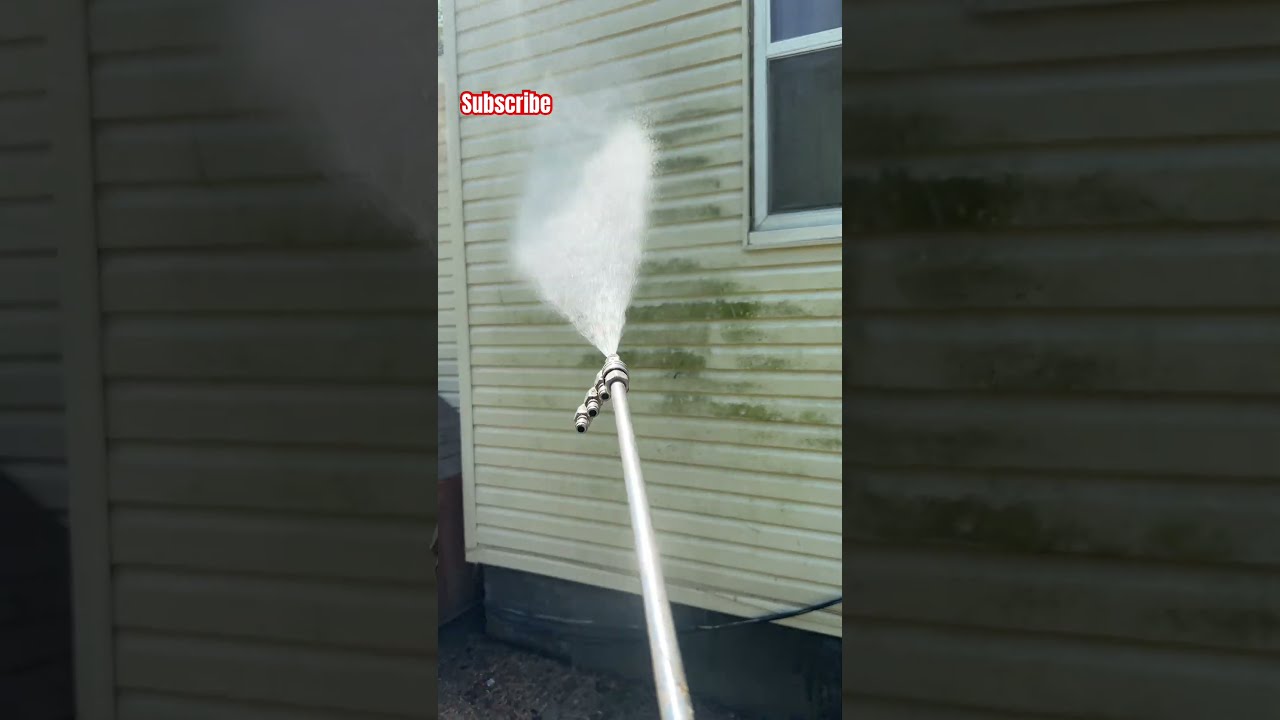
- Visible lines, stripes or swirl patterns across the surface
- A rough, sandy texture where it was previously smooth
- Exposed stones or aggregate that were not visible before
- Loose sand missing from joints between pavers or slabs
- Patchy, uneven colour or areas that look bleached
Minor surface etching can sometimes be improved by resurfacing, grinding or applying a sealer, but significant damage may require professional repair or resurfacing treatments.
Final Thoughts
So, can pressure cleaning damage concrete? Yes, but it is largely preventable. The key is to match the pressure, nozzle and cleaning method to the condition of your surface, use suitable cleaning products to do the heavy lifting, and take care around joints, cracks and decorative finishes. For Rockhampton homeowners dealing with humidity-driven mould, red dust and strong sun, a measured, regular approach delivers better and longer-lasting results than blasting away at the surface once every few years.
If you are unsure about the age, condition or finish of your concrete, speaking with a local pressure cleaning professional is a sensible first step. They can assess the surface, recommend the safest method, and help you get a clean result without compromising the concrete you have already invested in.
Capricorn House Washing
0482 073 600